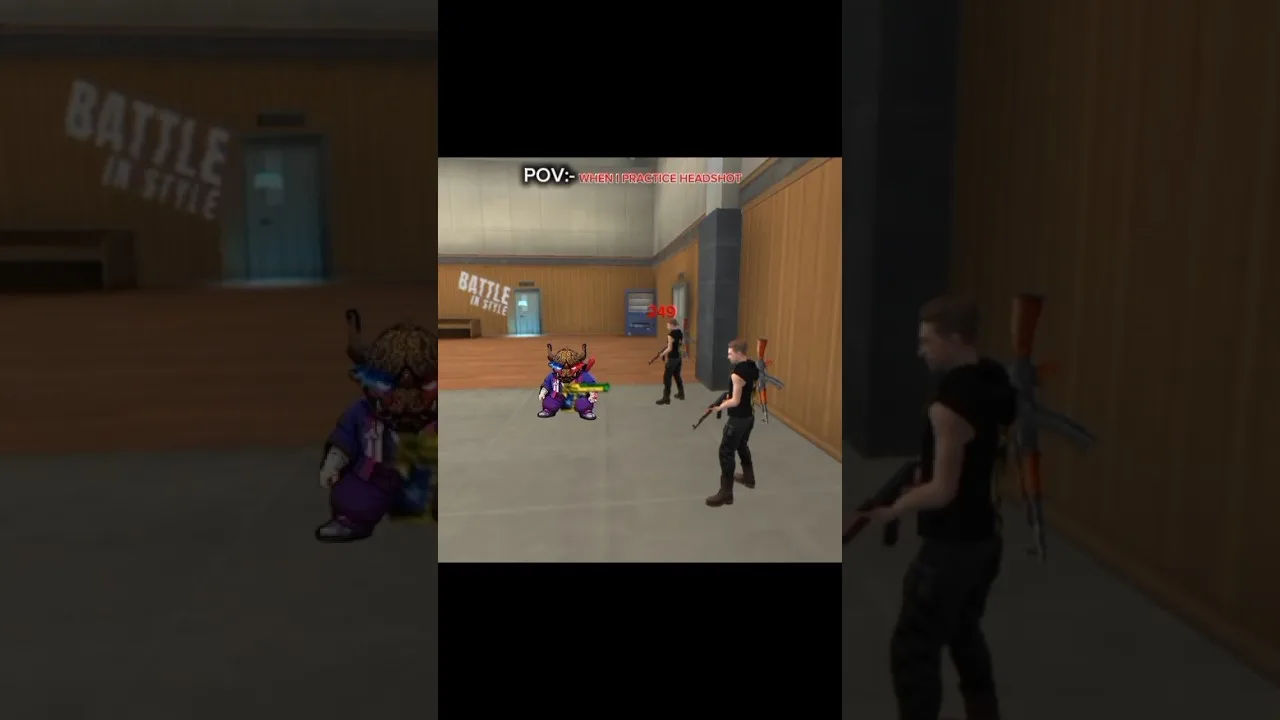
Training mode is the game's practice environment where targets, ranges, and drills are available without opponents, rankings, or consequences. For settings work it is the most valuable space in the game, because it lets you repeat the same aiming action fifty times in conditions that stay constant while you measure the results.
Beginners often skip structured testing and judge settings by match feel alone, which mixes the setting with luck and opponents. The routine below turns the Sadx Freestyle beginners guide approach into four simple drills. Each drill isolates one value, gives you a clear pass mark, and takes only a few minutes to run before a normal session.
Set Up the Testing Session Properly
Enter training with one question written down, such as whether a slightly higher red dot value improves your drags. Testing without a question produces random shooting and vague impressions. With a question, every repetition becomes evidence, and the session ends with an answer instead of a mood.
Warm up for two minutes before measuring anything. Cold hands produce poor results that say nothing about the setting. Use the same weapon types you play with in matches, stand at realistic distances rather than point blank, and keep your phone in your normal playing position, because posture changes swipe length and quietly changes results.
Drill One: The Full Turn Test for General Sensitivity
Face a wall, then perform one comfortable swipe and note how far your view rotates. The goal is a turn of most of a full circle without lifting your thumb or straining. Too little rotation means general sensitivity is low for your swipe style; hitting the screen edge early and still under rotating means the same thing from the other side.
Adjust by small steps and repeat until one natural swipe lands in the comfortable zone. Then run a short movement exercise, turning between several targets placed around you, to confirm the value works in motion and not just against a wall. General sensitivity underpins every other drill, so always settle and record it first.
Drill Two: Twenty Drags for Red Dot
Stand at close to medium range from a target dummy and perform twenty drag shots, counting how many finish at head height. Do not chase perfection; look for the pattern. Drags ending above the head suggest lowering red dot slightly, drags stalling at the chest suggest raising it, and sideways drift points to thumb technique rather than settings.
The technique background in the headshot and drag settings tips explains what each pattern means in more depth. Run this drill after any red dot or DPI change, and write the score down. A rising score across weeks is the clearest proof available that your setup and your hands are improving together.
Drill Three: Scope Checks at Real Distances
Move to the range area and test each scope you actually use at the distance it is meant for. Fire controlled bursts at targets while tracking them slowly sideways. The crosshair should follow without constant catching up or overshooting. One scope at a time keeps the verdict clean, and rarer scopes like sniper settings can wait until the everyday ones feel right.
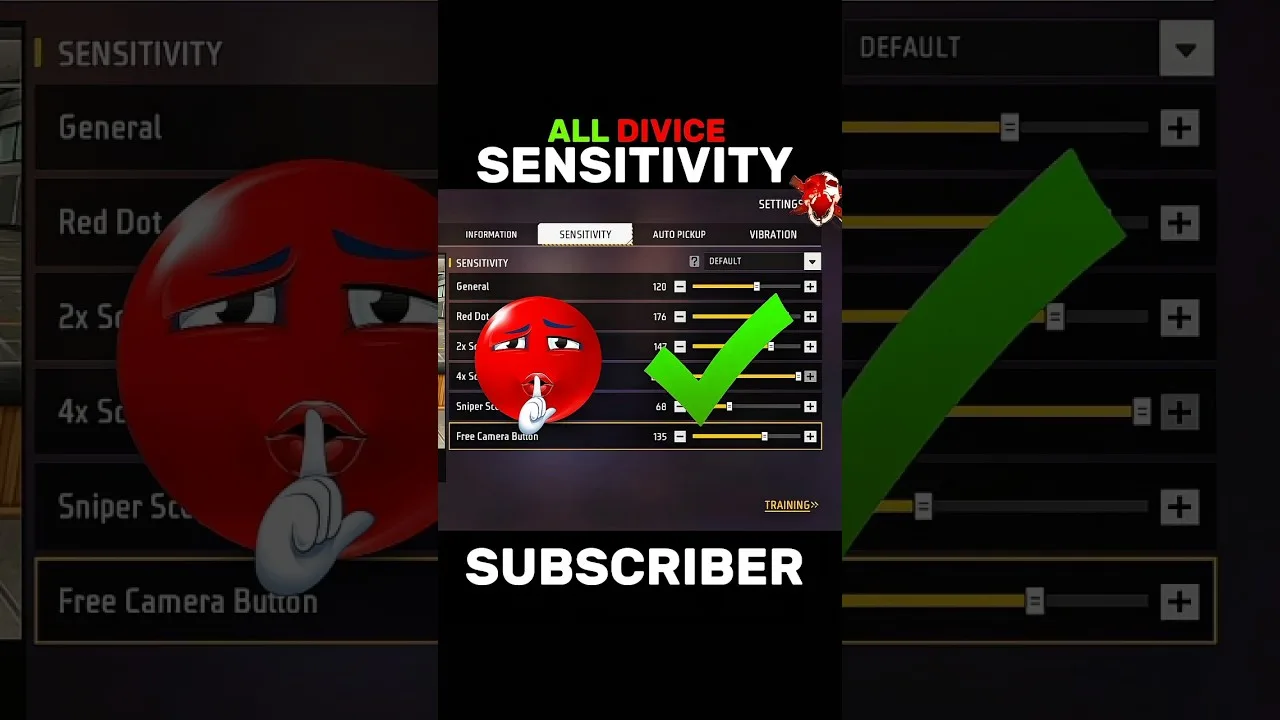
This drill pairs naturally with the explanations in the sensitivity settings guide, which describes why magnified values usually sit lower than general sensitivity. Understanding the reason helps you predict the direction of each adjustment instead of guessing, and prediction is what turns twenty minutes of testing into a permanent improvement.
Record Results Like They Matter
Keep a simple notebook page or phone note for settings tests: date, the value you changed, the drill scores before and after, and one sentence about feel. This record takes a minute and pays for itself the first time you wonder what your previous red dot value was or whether a change actually helped.
Review the notebook monthly. You will see your values converge toward a stable personal profile, and the size of your adjustments will shrink as you approach it. That convergence is the real goal of training testing: not endless tuning, but a setup so well fitted that you can forget about it and spend your practice time on game sense instead.
A Simple Weekly Testing Schedule
Ten focused minutes once a week keeps a setup honest without turning practice into a chore. Pick the same slot, perhaps before your first serious session of the week, run the turn test and twenty drags, glance at your notebook, and change at most one value if the evidence genuinely asks for it. Most weeks the correct decision will be to change nothing.
That rhythm also protects your confidence. Players who test constantly start doubting good setups, while players who never test let small drifts accumulate unnoticed. A weekly check sits exactly between those failure modes: frequent enough to catch real problems early, rare enough that your hands enjoy long stable stretches on a profile they know completely.
One warning completes the method: do not test when you are exhausted, rushed, or already frustrated from earlier matches. Your physical state leaks into every measurement, and settings judged by tired hands get unfairly blamed or credited. Choose a neutral moment, treat the drills as a calm laboratory session, and let the scores speak. This respect for testing conditions is what separates players whose notebooks genuinely guide them from players whose notebooks merely record their moods, and it costs nothing except the patience to wait for a fair moment.
Final Thoughts
Training mode turns settings from opinions into measurements. Arrive with one question, warm up, run the turn test, the twenty drags, and the scope checks, then write everything down. Followed weekly, this beginner routine builds a Sadx Freestyle setup fitted to your own hands, backed by evidence you gathered yourself rather than borrowed from someone else's phone.
Your download is ready
Use the APK link below and follow the install steps on this page.